Coastal Protection
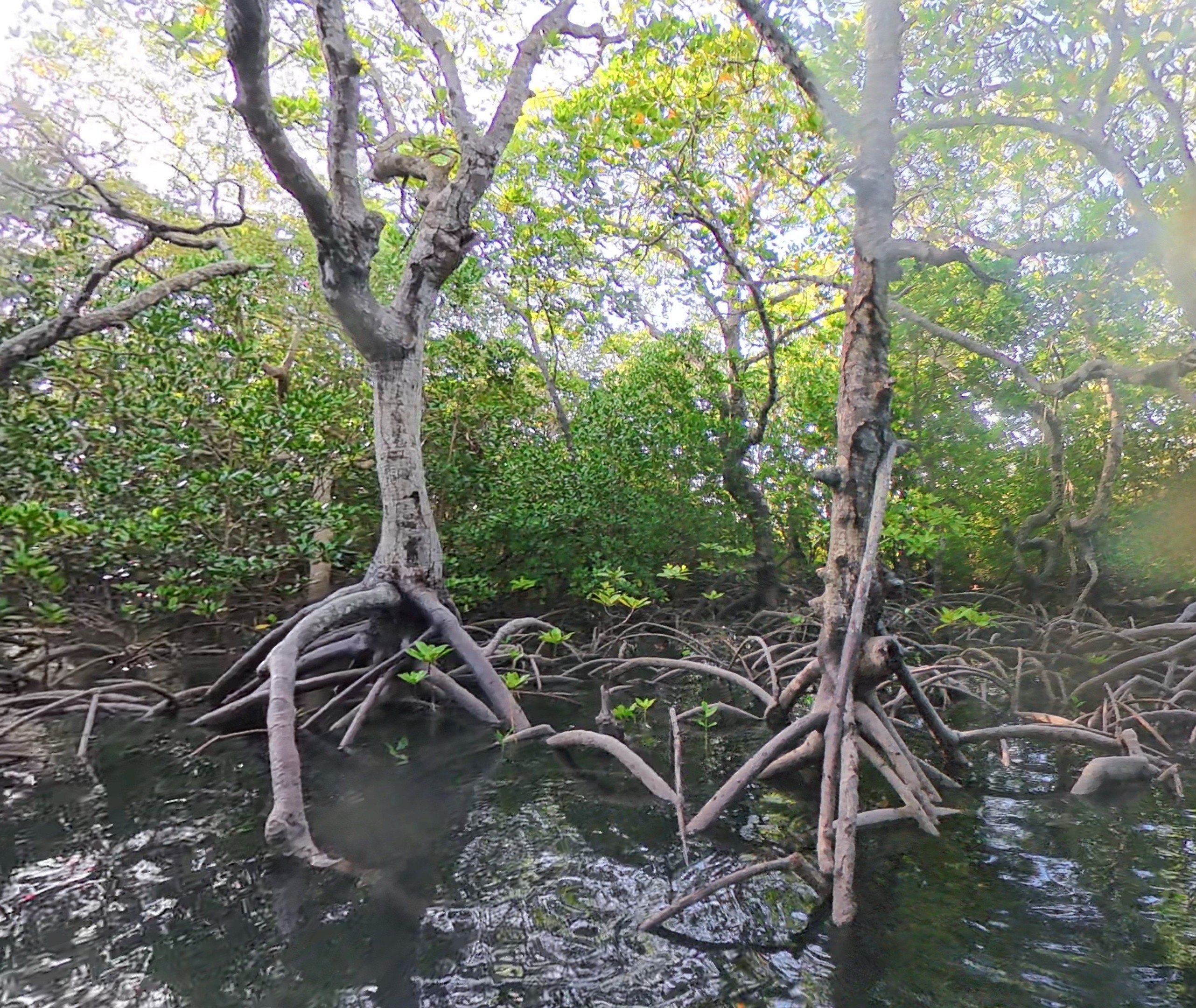
Roots hold sediment and help reduce erosion.
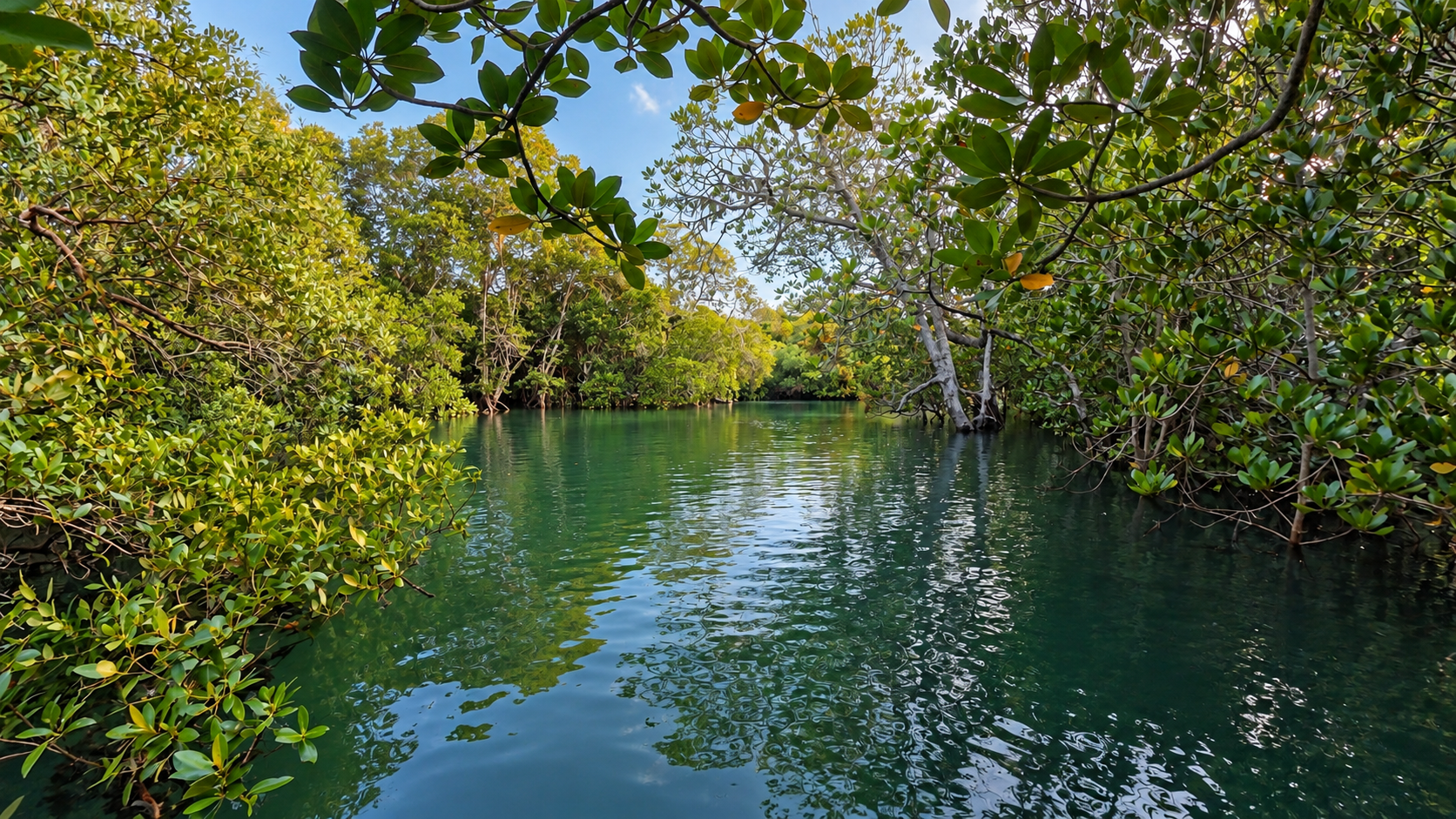
Wildlife & plant life of Mida Creek
Meet the trees, roots, birds and small creatures that make this coastal ecosystem so remarkable.
A living landscape
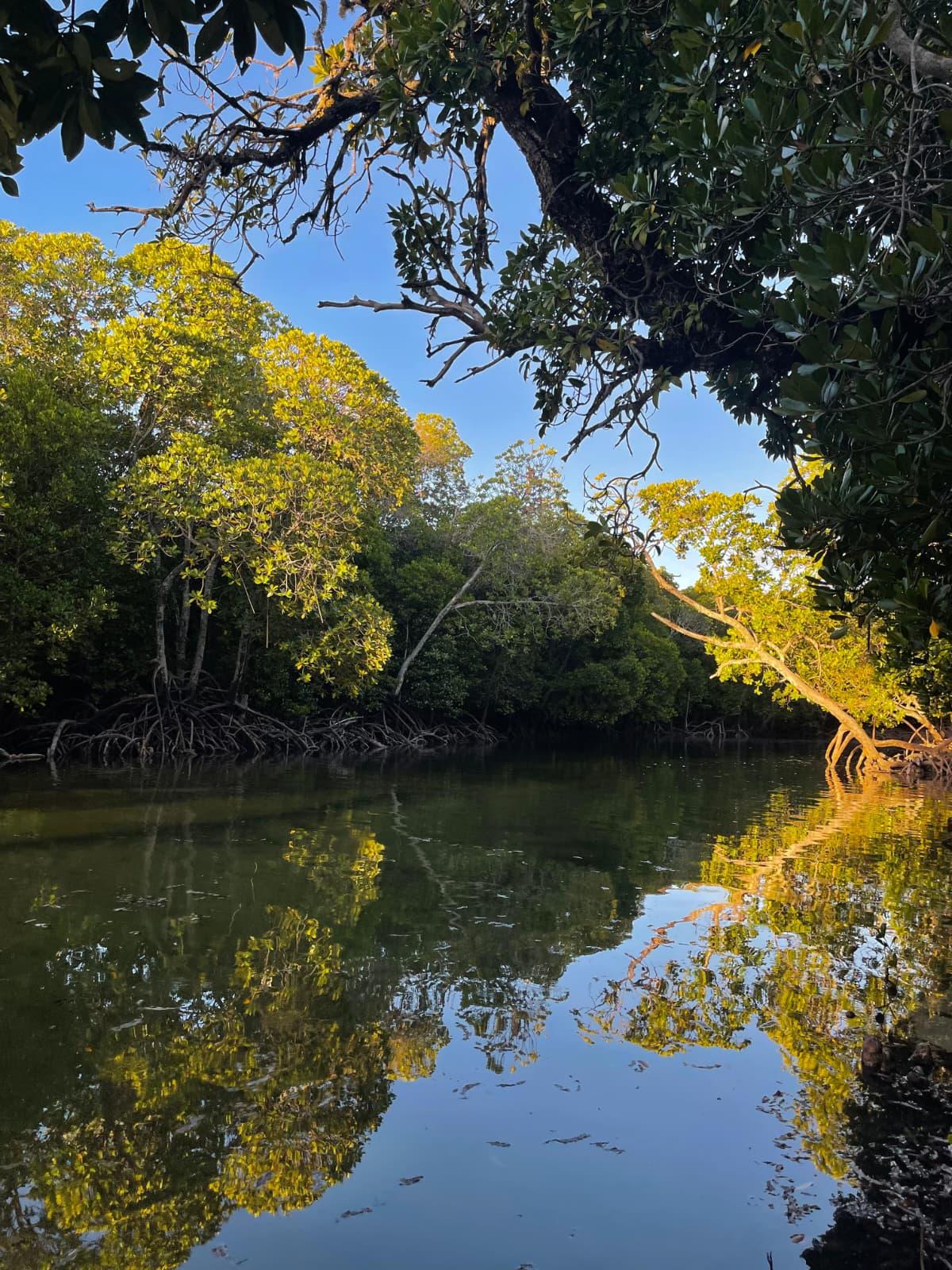
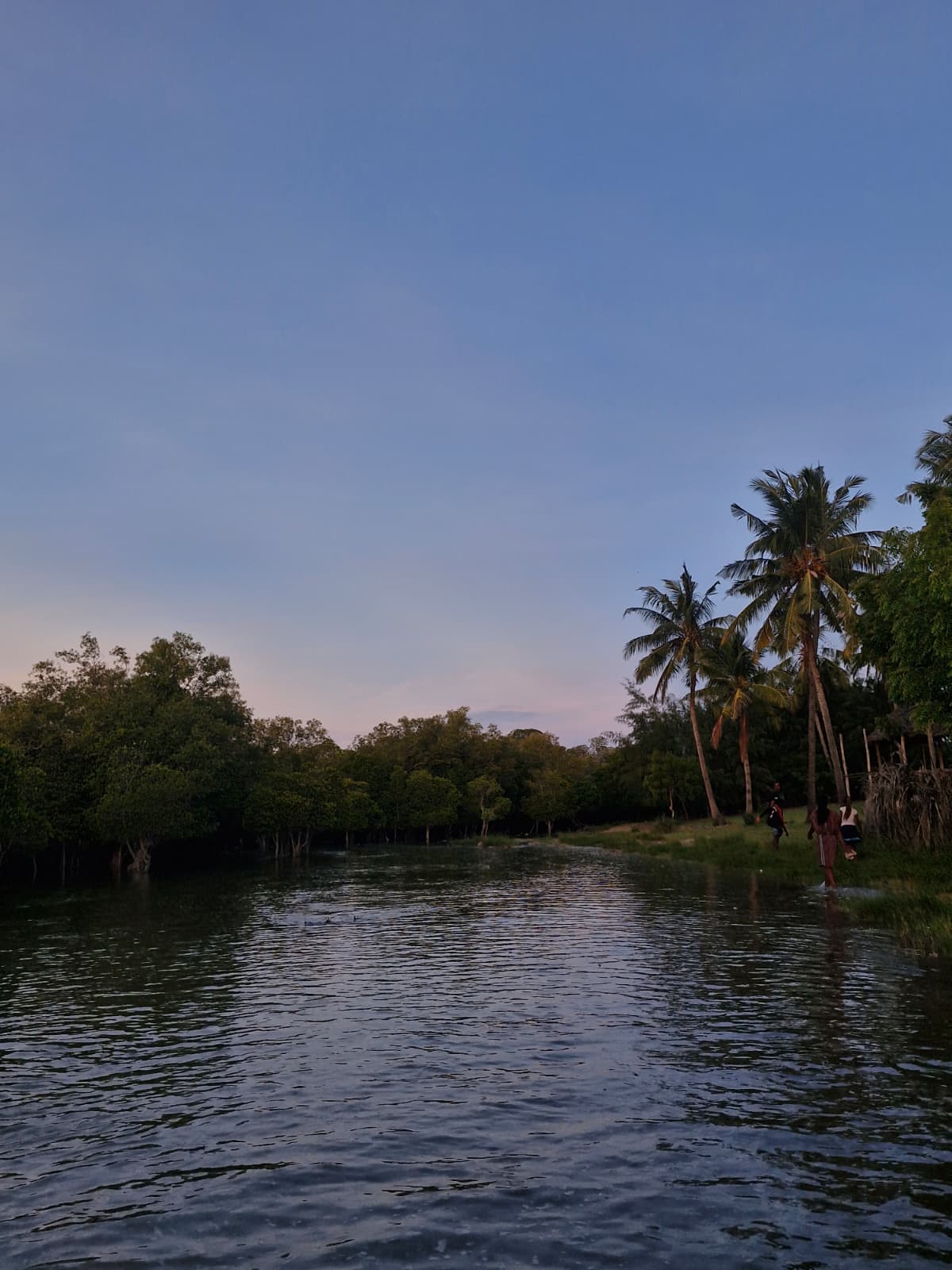
At Mida Creek, the landscape changes with every tide. Roots emerge from the mud, narrow channels fill with water, and wildlife moves between land and sea.
Look a little closer. Every root, leaf and footprint has a story.
Roots hold sediment and help reduce erosion.
Young fish and other marine animals find shelter among the roots.
Mangrove forests store carbon in their trees and waterlogged soils, helping keep it out of the atmosphere.
A home for birds, crabs, molluscs and many other species.
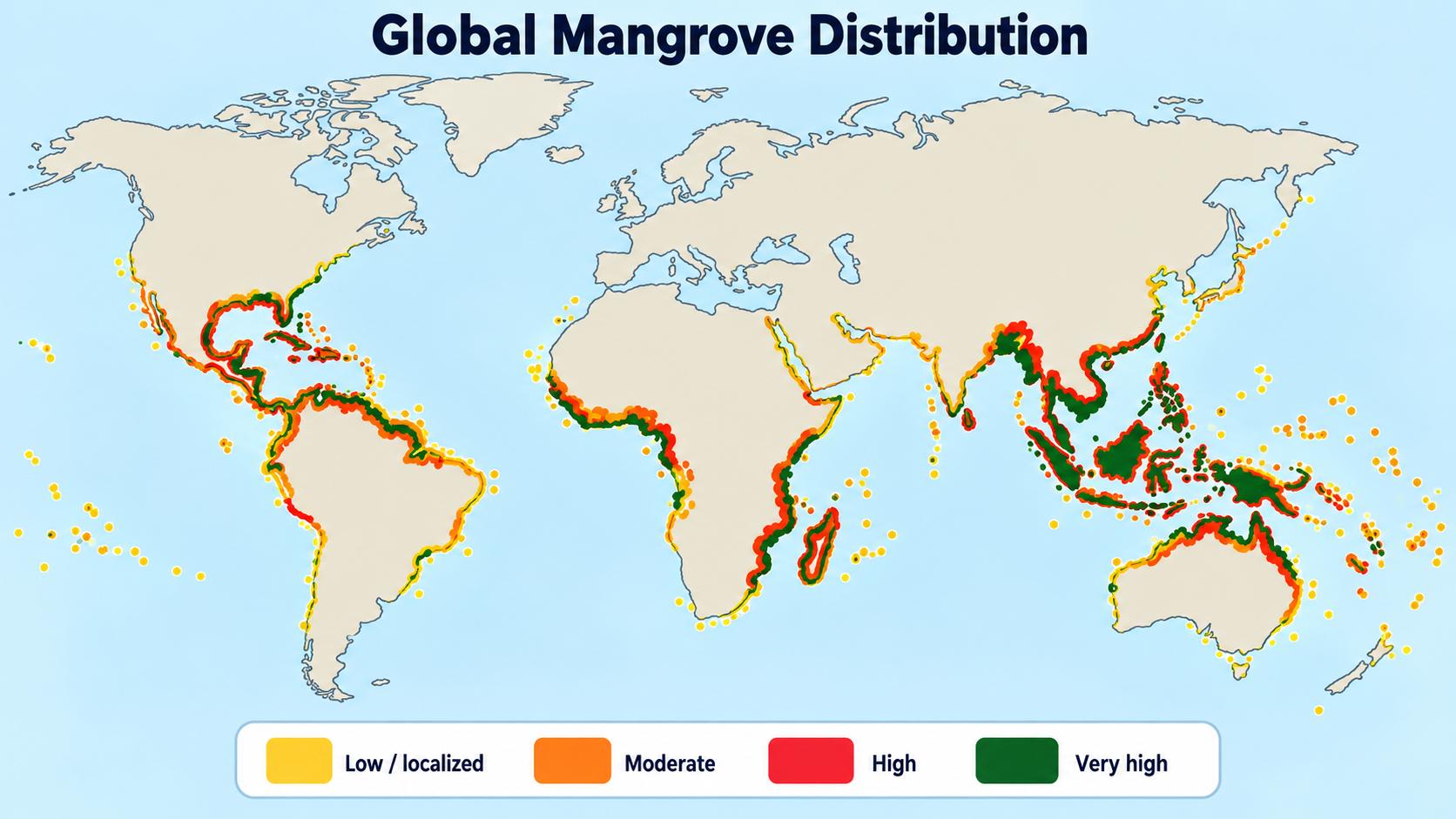
Mangroves thrive along tropical and subtropical coasts because they need warm temperatures and cannot tolerate prolonged freezing. Sheltered bays and estuaries provide muddy, waterlogged ground where their specialised roots can grow. Unlike most trees, mangroves can also survive in salty, tidal waters.
Mangrove tree species documented in Mida Creek
Each has its own characteristics, from its root structure to the way it grows.
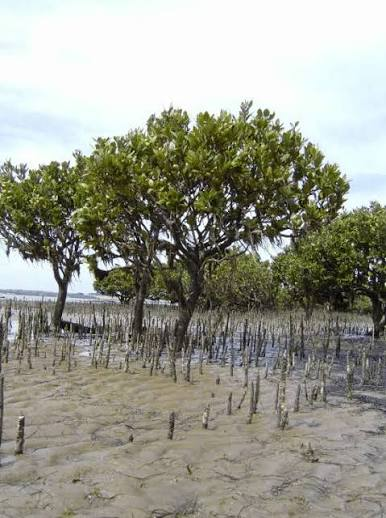
Species 01
Swahili: Mkoko
Its tangled stilt roots create sheltered spaces where young fish and other marine animals can hide from predators.
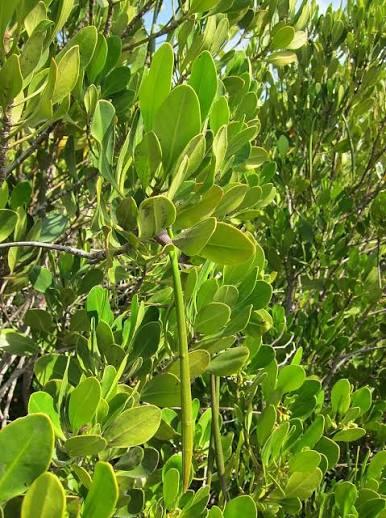
Species 02
Swahili: Mchu
Its dense breathing roots slow water movement, helping sediments and nutrients settle around the trees.
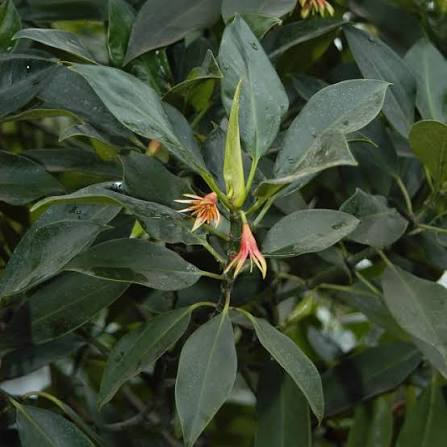
Species 03
Swahili: Mkandaa
By growing in less frequently flooded areas, it helps maintain mangrove forest cover beyond the wetter tidal zones.
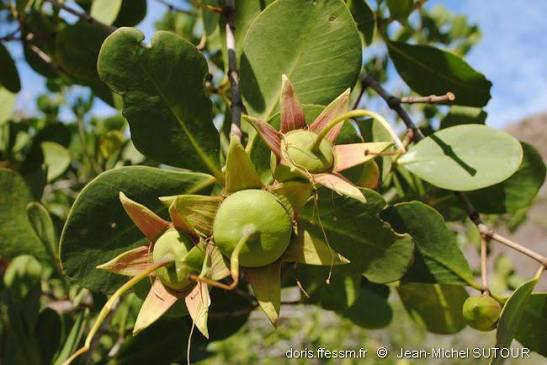
Species 04
Swahili: Muia
Its fallen leaves contribute organic matter to the muddy forest floor, supporting the food web as they decompose.
Species 05
Its extensive roots help stabilise soft coastal sediments, while its flowers provide nectar for visiting pollinators.
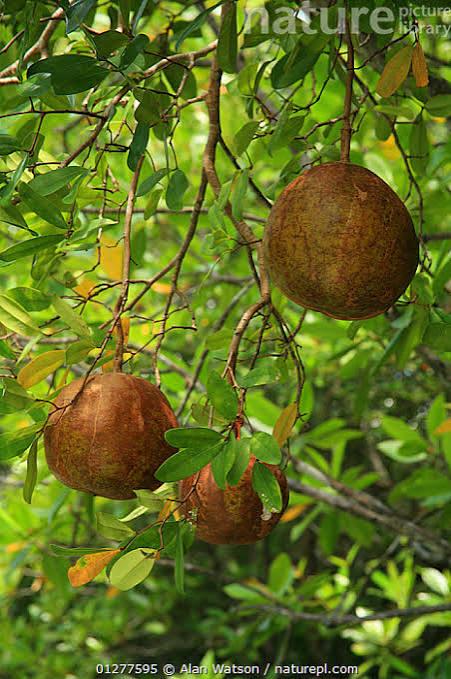
Species 06
Its large woody fruits release seeds that can be carried by water, helping mangroves spread and regenerate.
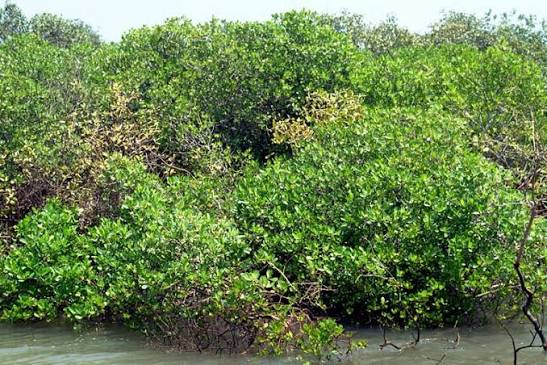
Species 07
Growing toward the landward edge, it contributes to the transition between tidal mangrove forest and coastal vegetation.
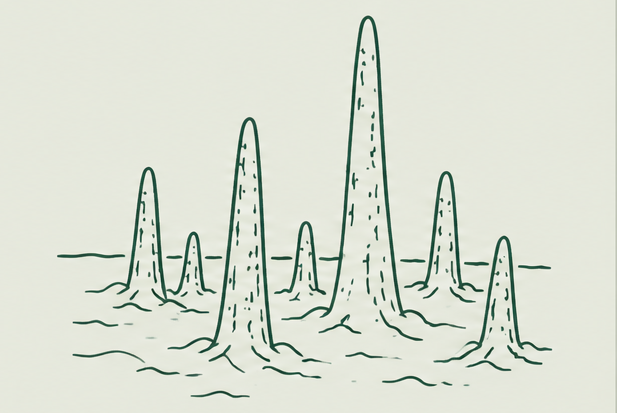
Specialised roots rise above the mud, allowing the tree to absorb oxygen.
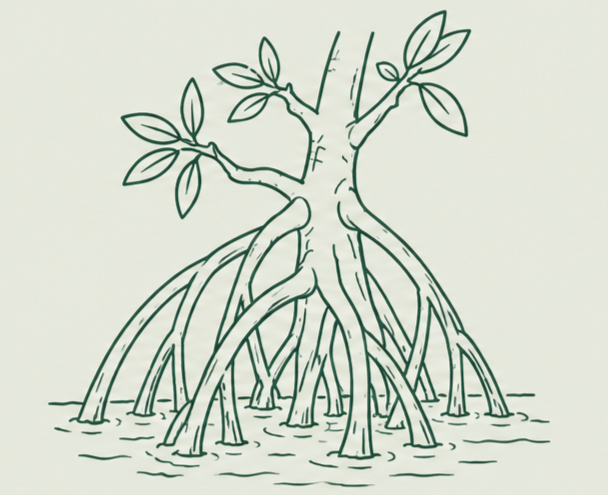
These roots support the tree and help anchor it in soft, muddy ground.
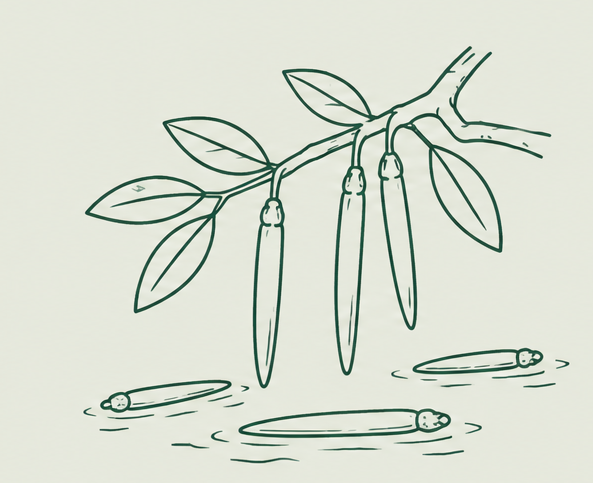
Young mangrove plants can float with the tides before taking root.
From monkeys in the trees to birds along the water, Mida Creek is home to a wide range of wildlife. What you see depends on the tide, the time of day and a little luck.
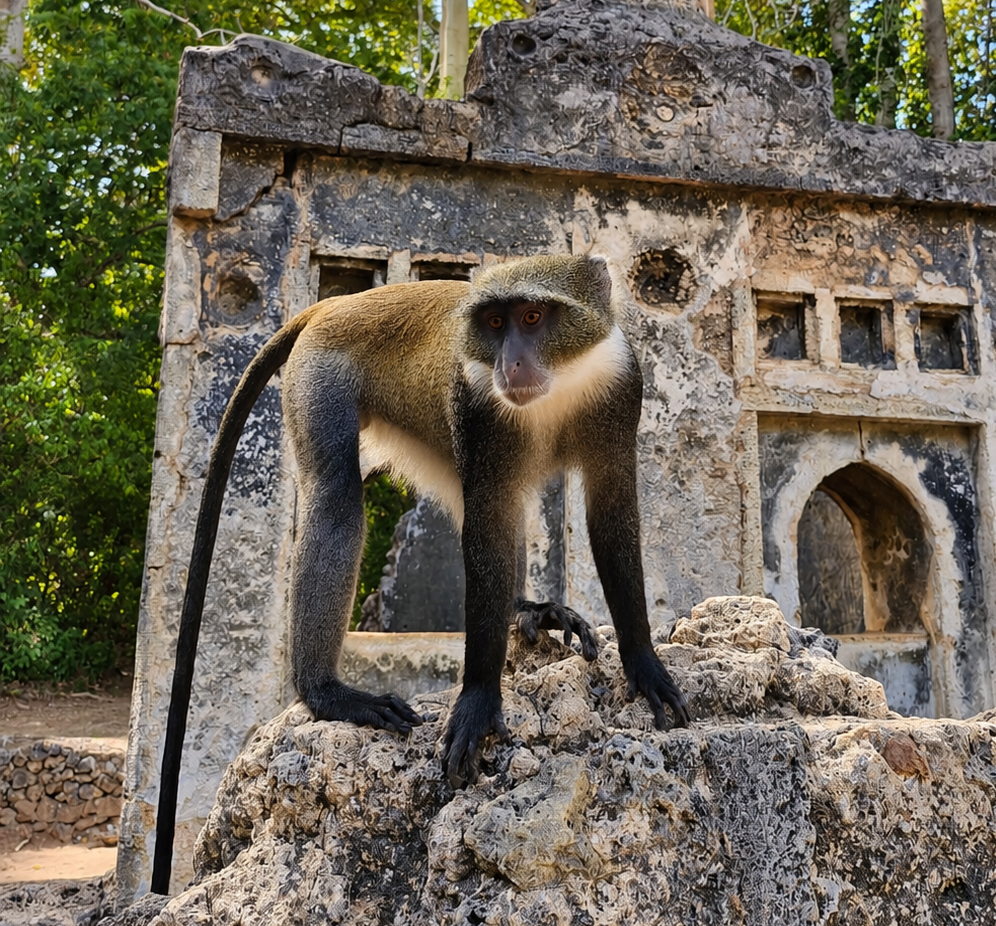
Species 01
Cercopithecus mitis
A clever way to carry a snack. These monkeys have cheek pouches where they can store food while moving through the trees.
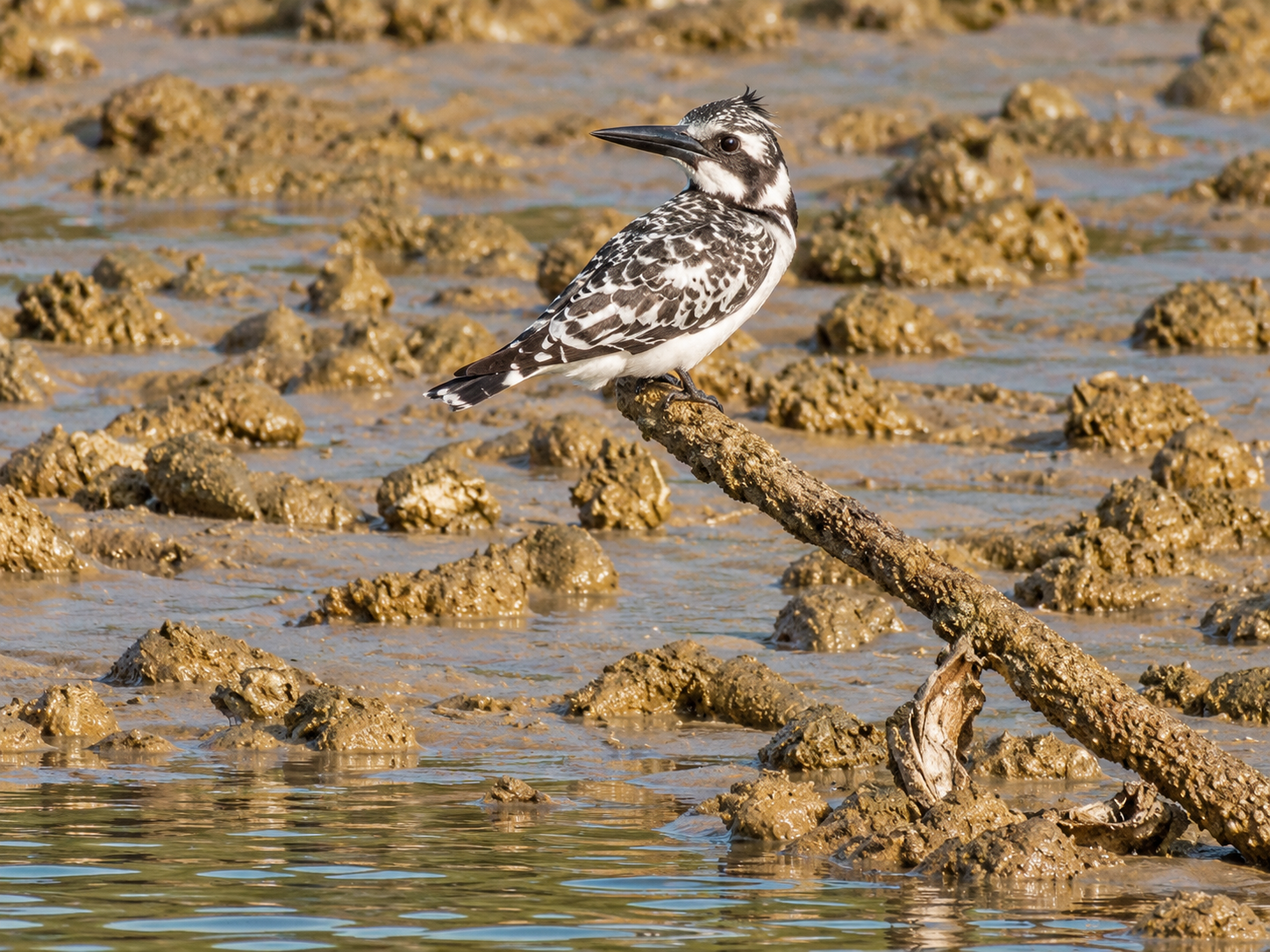
Species 02
Ceryle rudis
An expert at hovering. It can stay almost motionless in mid-air while searching for fish, then dive straight into the water.
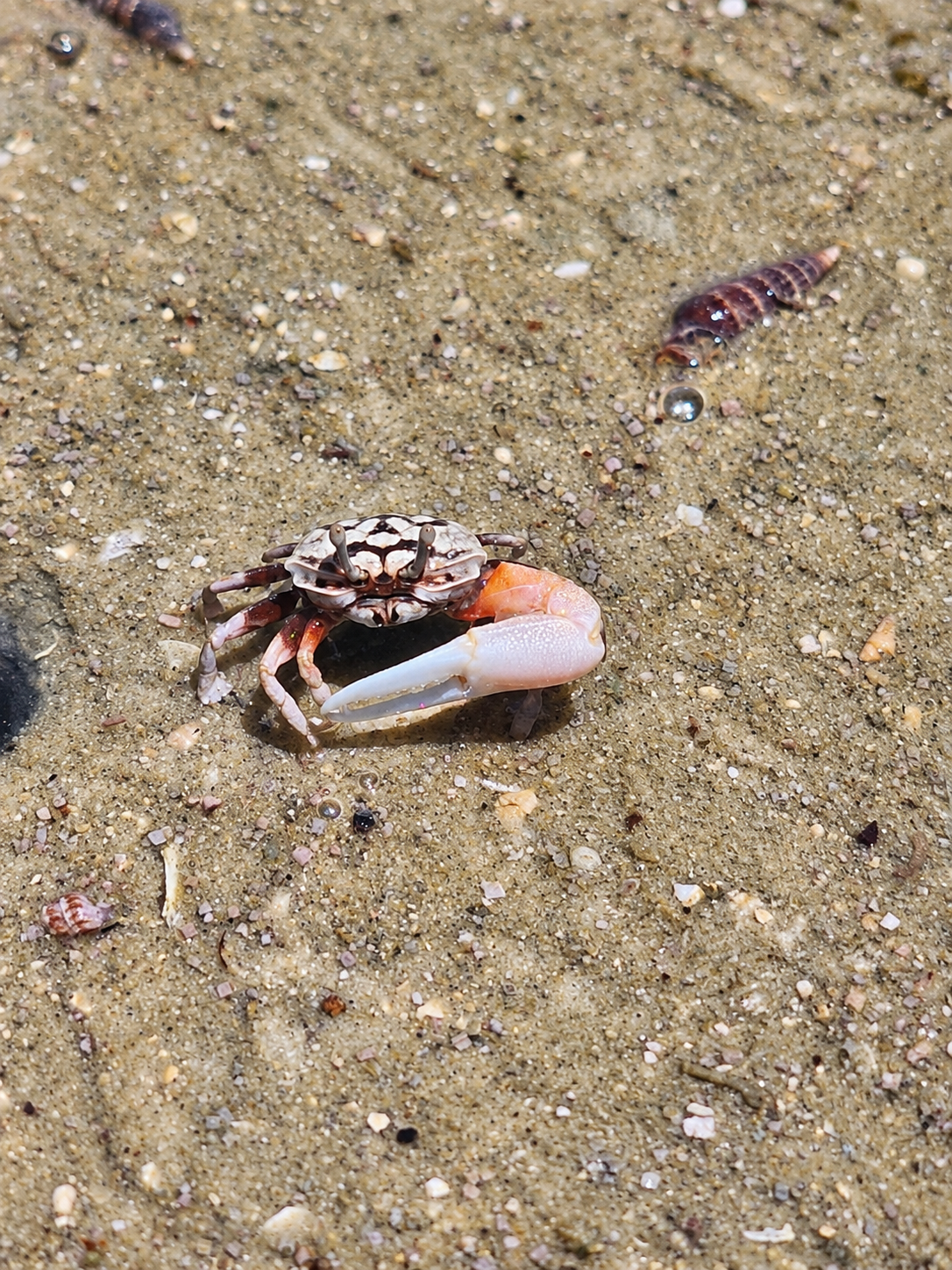
Species 03
Ocypodidae · Fiddler crab family
One claw for showing off, one for eating. Males wave their oversized claw to attract females, while using the smaller one to feed.
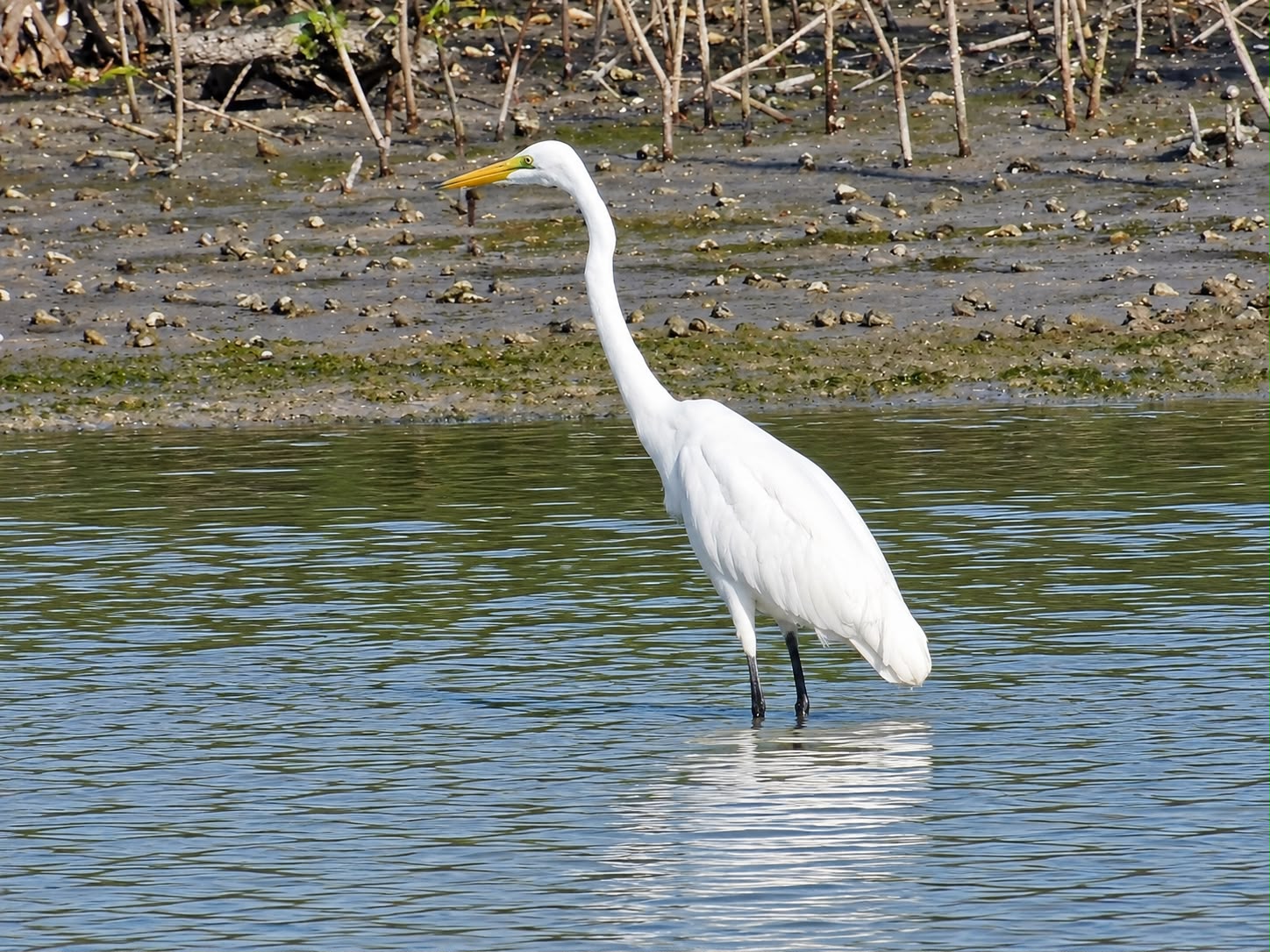
Species 04
Ardea alba
A patient hunter. It can stand almost perfectly still in shallow water before striking quickly to catch its prey.
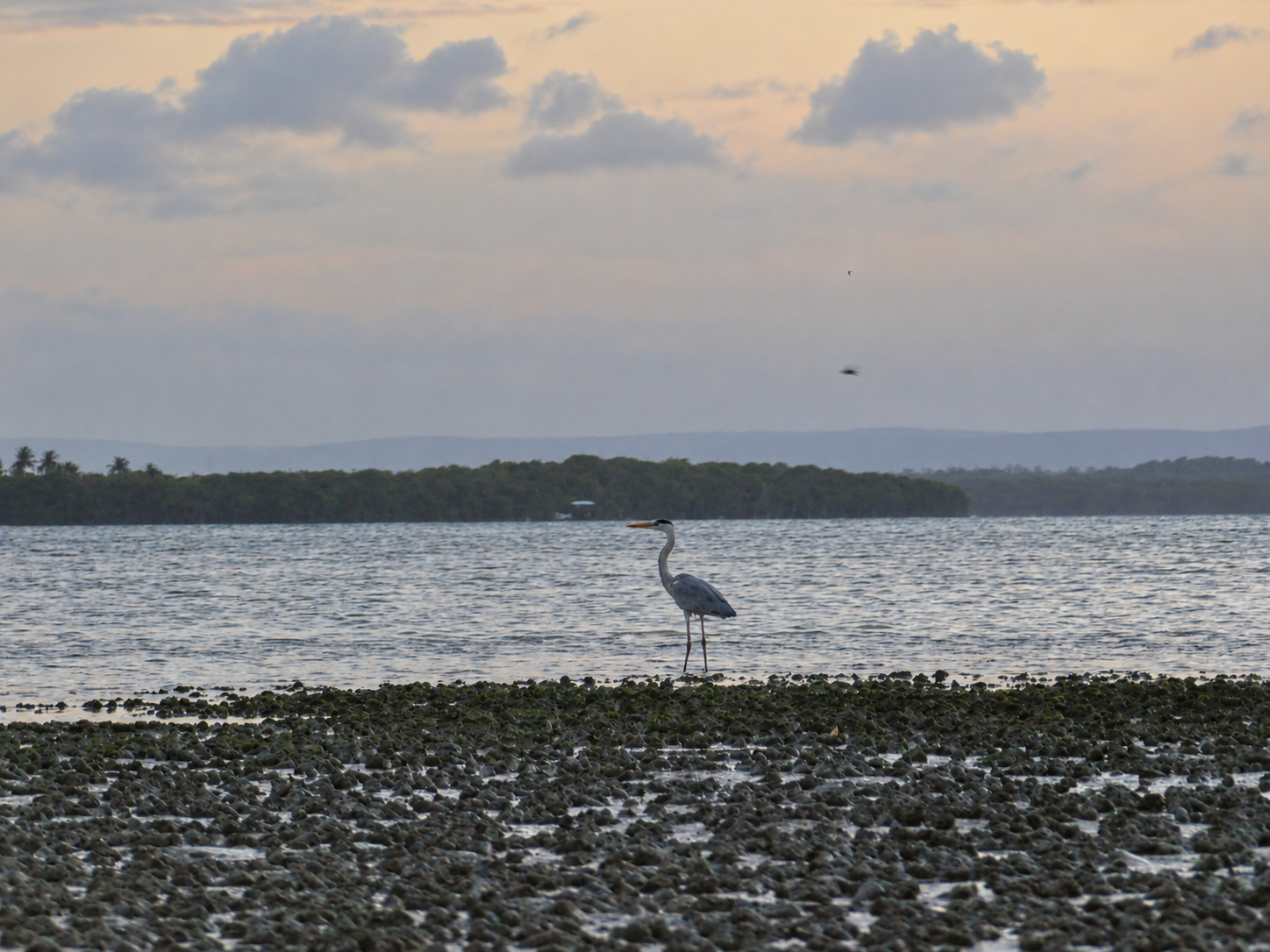
Species 05
Ardea cinerea
Fish aren't its only meal. This heron also eats frogs, crabs and other small animals, depending on what's available.
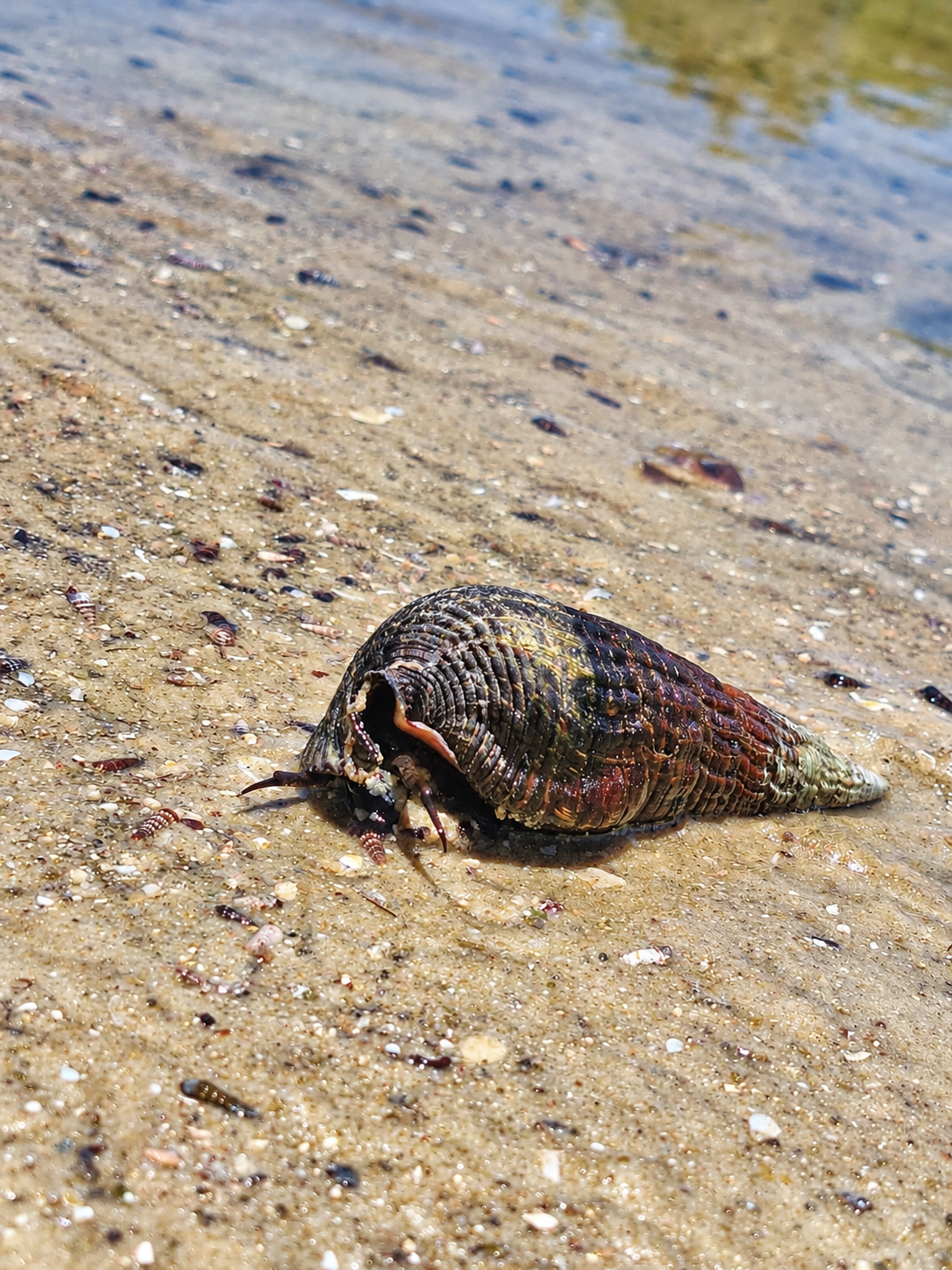
Species 06
Small but important recyclers. Some mangrove snails feed on fallen leaves and organic matter, helping recycle nutrients within the forest.
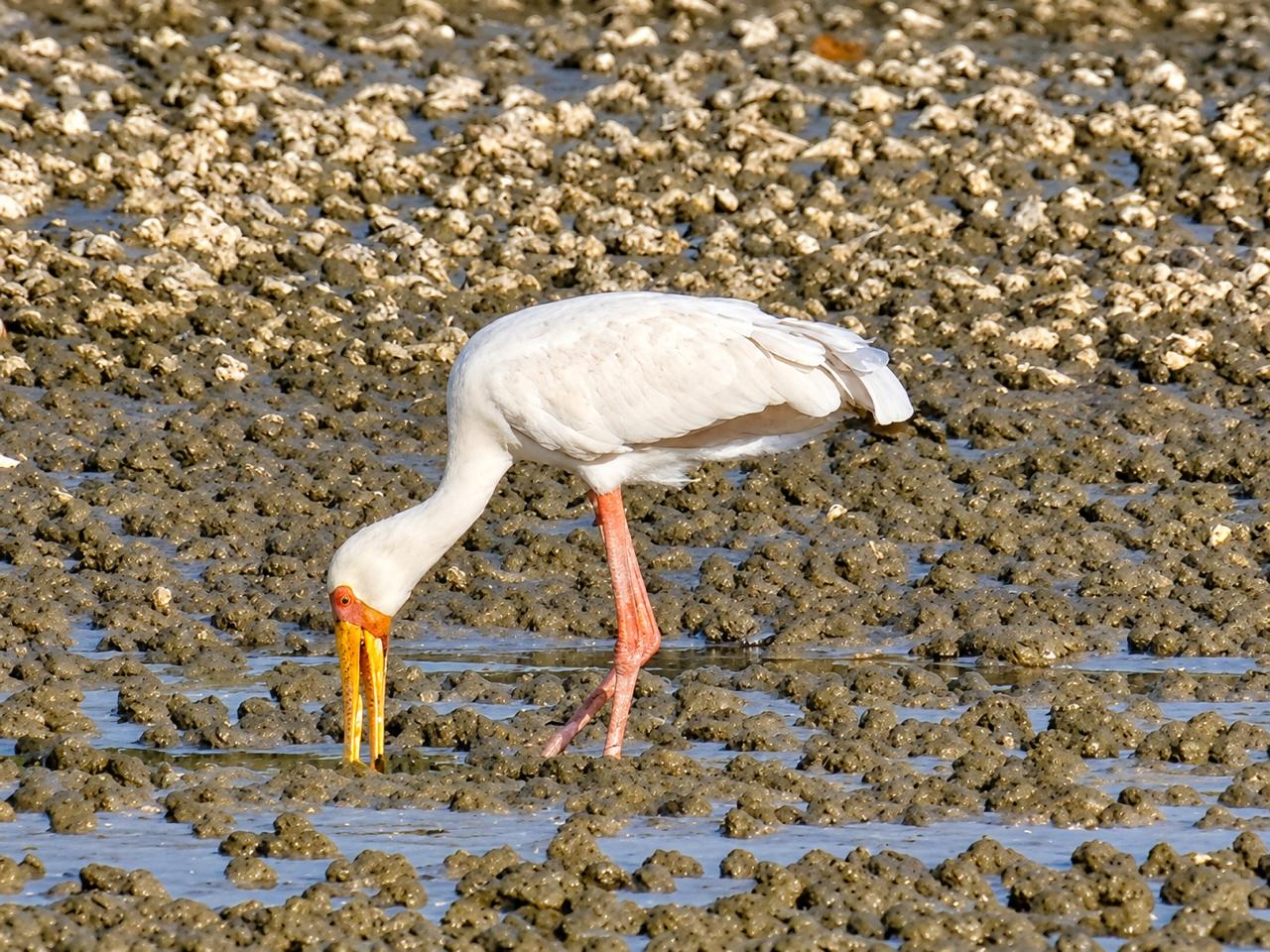
Species 07
Mycteria ibis
It hunts by touch. With its bill partly open underwater, it snaps it shut as soon as it feels a fish or another small prey.
Wildlife sightings vary with the tides, season and time of day.
Mangroves face pressure from coastal development, tree cutting and changes to water flow. Protecting them means preserving a healthy ecosystem for wildlife and the communities that depend on it.
Discover the coast, its wildlife and its natural landscapes with Bahari Adventures.
Explore All Experiences →